
Thinking About Cancer Therapy Holistically
Integrative Oncology As a Bridge
Between Hope And Evidence
A cancer diagnosis hits many people like a bolt of lightning. From one moment to the next, it’s about survival, necessary therapies and expected side effects. At the same time, many patients are growing in their desire for more than just apparatus medicine. Many want to regain control over their lives, actively improve their quality of life and, above all, draw hope for recovery. This is exactly where integrative oncology comes in. It does not replace conventional medicine, but rather complements it in a meaningful and evidence-based way.
The basis remains modern standard therapies. These include surgery, chemotherapy, radiation, immunotherapies and targeted medication. In addition, there are complementary measures that alleviate side effects, strengthen resilience and focus on the whole person. After all, the focus is not on the tumor, but rather on the person.
International cancer centers are already systematically implementing such concepts. A well-known example of this is the Memorial Sloan Kettering Cancer Center in New York. Numerous university hospitals in Germany and Switzerland are now also pursuing similar concepts. At the same time, scientific evidence is increasing. Especially in the areas of fatigue management and clinical nutrition, clear recommendations for practice are increasingly emerging.
Why Patients Appreciate And Use Complementary Methods
Many cancer patients supplement their treatment with additional measures. It is estimated that 30 to 70% of those affected utilize such offerings. The most common approaches include changing their diet, physical activity, mindfulness exercises or acupuncture. Some patients also use dietary supplements.
The reasons for this are diverse. Many feel overwhelmed by the medical routine or experience the treatment as very technical. Personal everyday life, one’s own needs and emotional situation sometimes seem to be neglected. That is why patients are looking for possibilities to be independently active. They want to influence symptoms such as fatigue, nausea or anxiety and regain a bit of self-determination. Conventional medicine saves lives – there is no doubt about that. However, complementary approaches can help to ensure that life remains worth living during treatment.
Serious integrative oncology clearly distinguishes itself from alternative promises of healing. Methods that reject effective therapies or advertise spectacular promises of healing can endanger patients. Integrative oncology pursues a different approach. It relies on transparency, interdisciplinary cooperation and consistent orientation towards scientific evidence.
Doctors should therefore ask about their patients’ interest in complementary measures at an early stage. Possible interactions must also be carefully examined. Patients need understandable information and reliable advice. Thus from a potential risk comes real added value.
Exercise: The Best-Studied Measure
Physical activity is one of the best-studied areas of integrative oncology. Numerous studies show that exercise can alleviate many symptoms during and after cancer therapy. The effect is particularly well documented in fatigue, the often agonizing exhaustion of many cancer patients. Regular exercise can significantly reduce symptoms, in some studies even by up to 50%.
In addition, physical training supports muscle building, improves metabolism and has an anti-inflammatory effect. Some studies have even shown a connection with a lower risk of relapse.
About 150 minutes of moderate exercise per week are recommended. At least 30 minutes per day would be even better. However, the training program should always be individually adapted.
Exercise is also possible during chemotherapy. It is important to have an appropriate intensity and good support. Regular walks or simple exercises are often enough. After cancer therapy, studies show positive effects of yoga, tai chi or qigong. These methods not only strengthen the body, they also have a positive effect on the psyche.
Movement also gives many patients the important feeling of control. Especially in an existential crisis, this feeling can play an essential role. Getting started is usually easier than you think: short exercise units that are slowly increased and integrated into everyday life are often enough.
Power For The Psyche: Mind-Body Procedures
A cancer diagnosis not only puts a strain on the body, but also on the psyche. Anxiety, insecurity and depressive phases are frequent companions of the disease and can also influence physical processes. Sleep disorders are a typical example. This is where Mind-Body procedures come in. These include meditation, mindfulness training, yoga or cognitive behavioral therapy.
Many studies show that these methods can reduce stress and improve sleep. Fatigue and emotional stress also often decrease. The scientific explanation is provided by psychoneuroimmunology (PNI). Psychological processes influence the body’s hormonal stress systems, so that physiological processes can also change. Relaxation techniques have a regulating effect on the stress systems. Repair processes of the body can also be supported. Hope is not naïve optimism in this context. It can actually influence biological processes.
The implementation of such methods is quite simple. Many apps offer guided meditations and numerous cancer centers organize group courses. Often just ten minutes of daily practice is enough.
Acupuncture And Body-Oriented Procedures
Acupuncture is one of the classic procedures of integrative oncology. Many studies show positive effects on the side effects of cancer therapy. This can significantly reduce the nausea that often accompanies chemotherapy. Neuropathic pain or hot flashes can also often be alleviated during hormone therapies. A needle-free alternative is acupressure, which patients can sometimes use themselves. Other body-oriented procedures also have a supportive effect. These include massages, lymphatic drainage or qigong. They promote relaxation, improve blood circulation and can reduce swelling.
However, close coordination with the treatment team remains important. This is the only way to avoid risks or interactions.
Nutrition: Between Myth And Evidence
Hardly any other topic is discussed as emotionally in cancer medicine as nutrition. Numerous so-called cancer diets promise spectacular effects. These include, for example, ketogenic diets, extreme fasting cures or other highly restrictive forms of nutrition. However, there is usually no convincing scientific evidence for these approaches.
At the same time, there is a considerable risk of malnutrition and weight loss. Especially during cancer therapy, this can significantly worsen the course of the disease. A balanced, low-inflammation diet is therefore recommended. It is often oriented toward the Mediterranean diet pattern with lots of vegetables, fruit, whole grain products and healthy fats.
Omega-3 fatty acids have an anti-inflammatory effect. Secondary plant substances can also have a positive influence on the metabolism. The nutritional status is particularly important during surgical procedures. Malnutrition should be detected early and treated in a targeted manner.
Intermittent fasting is also currently being scientifically investigated. Initial studies show possible advantages, but there is still a lack of sufficient data for general recommendations.
Another approach within integrative oncology is orthomolecular medicine. It deals with the targeted supply of vitamins, minerals, trace elements and other essential micronutrients to the body. Many experts recommend not only looking at individual values such as Vitamin D, Vitamin C, selenium or zinc, but measuring the entire spectrum of essential vital substances in the blood. Modern laboratory diagnostics make it possible to determine the 47 essential vital substances. Such analyses help to identify hidden deficiencies at an early stage and to compensate for them in a targeted manner. Especially in the case of chronic diseases, stress or intensive therapies, the need can be increased, while at the same time absorption and utilization in the body can be restricted. Individual diagnostics and coordinated supplementation can therefore be a useful part of integrative treatment strategies. However, high doses without medical supervision can be risky.
Phytotherapy And Other Procedures
Herbal preparations also play a role in integrative oncology. Ginger, for example, has been well studied and helps many patients with nausea. Mistletoe therapy is mainly used in Europe. Studies show partial improvements in quality of life and possible immunological effects.
Medicinal mushrooms such as reishi or shiitake as well as adaptogens such as ginseng are also being investigated. However, the scientific evidence remains inconsistent. The quality of the preparations is particularly important. Interactions with drugs must be carefully examined and ruled out. A well-known example is St. John’s Wort, which can influence the effect of certain cancer drugs.
Other procedures such as hyperthermia or aromatherapy are also being investigated. They can have a supportive effect, but remain complementary measures.
Safety And Clinical Integration
Complementary methods are not always risk-free. Herbal active ingredients can influence medications, and uncontrolled dietary supplements can be contaminated. This is why interdisciplinary teams play an important role. Oncologists work closely with nutritionists, psycho-oncologists and other disciplines.
Structured discussions can help to include complementary measures at an early stage. Joint decisions strengthen patient trust. In the meantime, cancer centers are now developing special concepts for aftercare and quality of life. Patients feel more comprehensively cared for as a result, which often also improves adherence to therapy.
Discussion: Where Do We Stand Today?
The scientific evidence for integrative oncology is steadily increasing. Exercise, mind-body procedures and acupuncture in particular show convincing results. Above all, the quality of life of many patients can be improved as a result. At the same time, these measures can be combined well with standard therapies.
Nevertheless, research gaps remain. Many studies are relatively small or limited in time. Long-term data and strongly personalized approaches will therefore play an important role in the future. At the same time, complementary methods will increasingly be integrated into regular care. However, the clear distinction between pseudoscientific offerings remains crucial.
Conclusion
Integrative oncology is not esotericism, but rather a further development of modern cancer medicine. Modern therapies remain the basis of every treatment. Complementary measures additionally support body, psyche and quality of life. Exercise alleviates fatigue and strengthens physical performance. Mind-body procedures stabilize emotional stress. Acupuncture can reduce many side effects of therapy. A balanced diet also plays an important role. In addition, there are many other measures that can support patients. The cancer medicine of the future combines precision with humanity. This is where scientific evidence and well-founded hope meet.
Jürgen Lueger
Keywords: Fatigue Management, Integrative Oncology, Physical Activity, Mind-Body Medicine
 An Exclusive Translated Article for P2P Supporters
Published October 2026
From an article in CO’med, Volume 32, July 2026
Translation & redaction by: Carolyn L. Winsor, P2P Consulting
© Copyright 2026, CO’med, Jürgen Lueger, Austria
AI Digital and online translation assistance utilized.
The Author
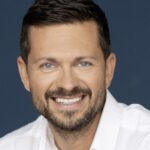 Jürgen Lueger, Bioenergetic Practitioner
Jürgen Lueger is an Austrian therapist, bioenergetic practitioner and book author. He developed the micronutrient line “47 Essentials” and the “Symbio Biofield Method”. He has been practicing in Salzburg since 2009. Lueger is trained in human energetics, kinesiology, PSE and mental coaching and taught at the Paracelsus School. He developed his latest innovation, the “Freeonic Me”, together with another electrosmog expert.
Literature
- Bower JE, Garet D, Sternlieb B, Ganz PA, Irwin MR, Olmstead R, et al. Management of Fatigue in Adult Survivors of Cancer: ASCO-Society for Integrative Oncology Guideline Update. J Clin Oncol. 2024;42(20):2456-2487 doi: 10.1200/JC0.24.00541
- Atreya CE, Banejee S, Lyman GH, Sledge GW Jr, Blayney DW Integrative Oncology: Incorporating Evidence-Based Approaches for Patients With GI Cancers. ASCO Educ Book. 2025;45(1):e471734. doi:10.1200/EDBK-25-471734
- Society for Integrative Oncology Clinical Practice Guidelines for Integrative Oncology [Internet]. McLean (VA): Society for Integrative Oncology; [Zugriffsdatum unbekannt]. Verfügbar unter: https://integrativeonc.org/practice-guidelines/
- Coumeya KS, Friedenreich CM. Physical Activity, and Cancer. Champaign (IL): Human Kinetics; 2017
- Ligibel JA, Bohlke K, May AM, Clinton SK, Demark-Wahnefried W, Gilchrist SC, et al. Exercise. Diet, and Weight Management During Cancer Treatment: ASCO Guideline. J Clin Oncol 2022;40(22):2491-2507 doi: 10.1200/JC0.22.00687
- Cramer H, Lauche R, Klose Lange S. Langhorst J, Dobos GJ. Yoga for improving health-related quality of life, mental health and cancer-related symptoms in women diagnosed with breast cancer. Cochrane Database Syst Rev. 2017;1(1):CD010802. doi: 10.1002/14651858.CD010802.pub2
- Carlson LE, Speca M. Mindfulness-Based Cancer Recovery. Oakland (CA): New Harbinger Publications; 2011.
- Greenlee H, DuPont-Reyes MJ, Balneaves LG, Carlson LE, Cohen MR, Deng G, et al. Clinical Practice Guidelines on the Evidence-Based Use of Integrative Therapies During and After Breast Cancer Treatment. CA Cancer J Clin. 2017;67(3)194-232. doi:10.3322/caac.21397
- Deutsche Gesellschaft für Ernährungsmedizin (DGEM). 53-Leitlinie Klinische Ernährung in der Onkologie [Internet]. Berlin: Leitlinienprogramm Onkologie; [zuletzt aktualisiert 2023; Zugriff am 06.05.2026]. Verfügbar unter: https://www.leitlinienprogramm-onkologie.de/leitlinien/klinische-ernaehrung-in-der-onkologie
- Memorial Sloan Kettering Cancer Center. About Herbs, Botanicals & Other Products [Internet]. New York (NY): Memorial Sloan Kettering Cancer Center; c2024 [Zugriff am 19.05.2026]. Verfügbar unter: https://www.mskcc.org/cancer-care/diagnosis-treatment/symptom-management/integrative-medicine/herbs